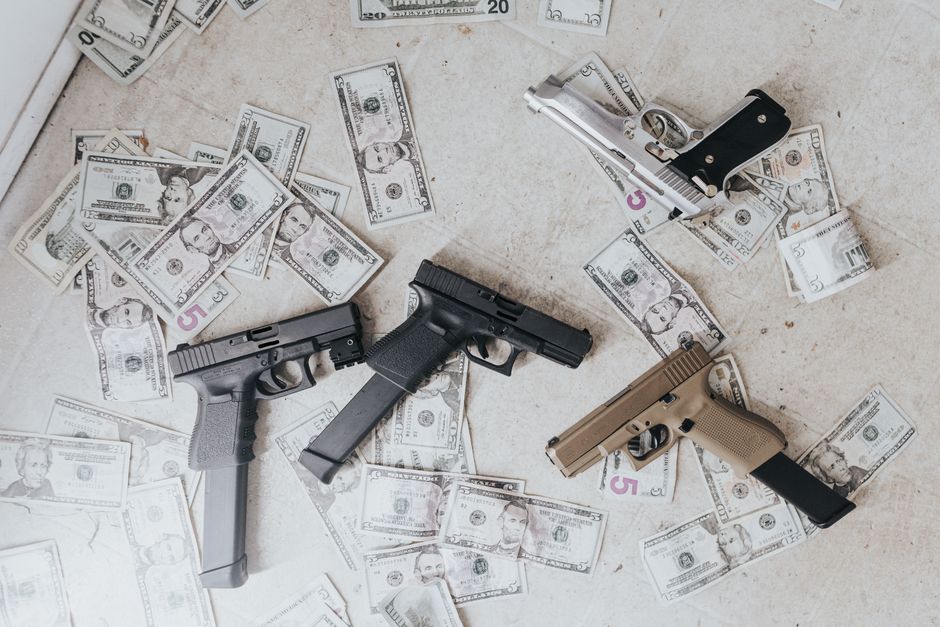
If there’s one argument that never dies in the gun world, it’s 9mm vs. .45 ACP. It’s like pineapple on pizza: everyone’s got an opinion, and tempers flare faster than a misfired round. But when it comes to concealed carry—the art of slipping a lifesaver into your waistband without printing like a bad tattoo—this debate gets real personal. We’re talking about what keeps you drawing fast, shooting straight, and walking away in one piece.
I’ve carried both: a slim Sig P365 in 9mm tucked IWB for all-day comfort during my consulting gigs, and a beefy 1911 in .45 when I’m feeling nostalgic on the range. Spoiler: neither’s perfect, but one edges out for the daily grind of EDC (everyday carry). Today, we’re slicing through the myths with hard data, ballistic breakdowns, and street-smart advice. No fluff—just the truth to arm you better. Let’s chamber this round.
A Quick History Lesson: Why These Two Slug It Out
Born from the trenches of World War I, the .45 ACP (Automatic Colt Pistol) was John Browning’s answer to the U.S. Army’s call for a “stopping cartridge” after .38 Special rounds bounced off charging Moros like spitballs. Enter the iconic 1911: big, heavy, and packing a .451-inch hammer that drops threats like a mic at a rap battle.
Fast-forward to the 20th century, and 9mm Parabellum (or 9x19mm) stole the show. Adopted by NATO in the ’80s for its lighter recoil and higher capacity, it became the law enforcement darling—think FBI switching back after a .40 S&W fling. Today, in 2025, modern hollow-points have blurred the lines, but for concealed carry, it’s all about balance: power without the bulk. Let’s break it down category by category.
Ballistics and Stopping Power: Does Bigger Always Mean Better?
The .45’s rep as the “man-stopper” comes from its fat bullet—230 grains of lead tumbling at 850 fps, dumping 370 foot-pounds of energy at the muzzle. In ballistic gel tests, it carves a permanent wound channel up to 0.79 inches wide, expanding to nearly an inch and penetrating 12-14 inches—ideal for vital hits without sailing through walls like a bad neighbor.
9mm? It’s no slouch. A 124-grain JHP screams out at 1,200 fps with 330 foot-pounds, expanding to 0.72 inches and penetrating 13-15 inches in gel. Recent 2025 tests show the temporary cavity (that shockwave ripple) is neck-and-neck, with modern bonded bullets like Federal HST closing the gap on over-penetration risks. Bottom line: Both stop threats with proper placement—FBI stats peg one-shot stops at 60-70% for either. But .45’s wider hole gives it a psychological edge if you’re into that “thump” factor.
Recoil and Shootability: Who Wins the Follow-Up Shot?
Here’s where 9mm flexes for concealed carry. Recoil is about half that of .45—think snappy versus a mule kick. In compact pistols like the Glock 43 (9mm) vs. Glock 36 (.45), you get faster sight reacquisition and tighter groups at 7-15 yards, crucial when adrenaline’s pumping and your draw’s from appendix carry.
I’ve trained newbies who limp after 50 rounds of .45; with 9mm, they’re grouping headshots by lunch. Heavier .45 frames (like a steel Commander) tame the beast, but for subcompacts? 9mm keeps you in the fight longer.
Capacity and Reloads: Quantity or Quality?
Concealed carry ain’t a magazine dump—it’s controlled pairs under stress. 9mm shines here: A Glock 19 holds 15+1, while the .45 equivalent (Glock 30) maxes at 10+1. That’s five extra prayers in a mag-restricted state like California.
Reloading? 9mm’s slimmer profile means quicker swaps, and with extenders or spare mags in a pocket holster, you’re golden. .45’s lower count works if you’re a one-and-done shooter, but stats from active shooter breakdowns show volume matters.
Size, Weight, and Concealability: Can You Actually Carry It All Day?
This is the concealed carry killer app. 9mm pistols run thinner and lighter—your Sig P320 compact weighs 25 ounces loaded vs. 32 for a .45 1911. Less printing under a t-shirt, less sweat on a summer hike. .45 grips are chunkier, better for full-size home defense, but for IWB at 3 o’clock? It broadcasts “I’m strapped” louder than a neon sign.
Pro tip: Pair 9mm with a good kydex holster like Vedder LightTuck, and you’ll forget it’s there.
Cost and Availability: Training Budgets Don’t Lie
Ammo prices in 2025? 9mm FMJ runs $0.20/round, JHP $0.50—20-40% cheaper than .45’s $0.30 FMJ/$0.70 JHP. That’s more range time without breaking the bank. Availability? 9mm’s everywhere post-pandemic; .45 can still ghost shelves during panics.
Train more, shoot better—that’s the concealed carry gospel.
Real-World Gel Tests: What the Science Says
Diving into 2025 ballistic gel runs (10% calibrated, per FBI protocol), .45 edges out with a hair more momentum and cavity size, but 9mm’s velocity shreds barriers like denim or glass without fragmenting. Lucky Gunner Labs’ latest: Both expand reliably to .60-.70 inches, with penetration in the sweet 12-18 inch zone. No clear KO—it’s shot placement, every time.
Aspect | 9mm Pros | 9mm Cons | .45 ACP Pros | .45 ACP Cons |
|---|---|---|---|---|
Stopping Power | Modern HP matches .45 expansion | Slightly smaller hole | Larger wound channel, less over-pen | Heavier, slower bullet |
Recoil | Low—fast follow-ups | Can feel “puffy” | Manageable in full-size | Snappier in compacts |
Capacity | 15+ rounds standard | N/A | N/A | 10 rounds max typical |
Concealability | Slim, light guns | N/A | N/A | Bulkier frames |
Cost | Cheap & plentiful | N/A | N/A | Pricier, scarcer |
The Verdict: For Concealed Carry, 9mm Takes the Crown
After thousands of rounds and countless student “aha” moments, here’s my call: Go 9mm for concealed carry. It delivers 95% of .45’s punch with twice the usability—higher capacity, tamer recoil, and everyday comfort that keeps you carrying consistently. That’s the real win; a safe queen in the drawer saves no lives.
But if you’re built like a tank and crave that .45 thwack for home defense crossover, rock it—just train like hell. Whichever you pick, prioritize quality ammo (HST or Gold Dot), dry-fire drills, and legal know-how. Your life depends on proficiency, not caliber cool points.
What’s your EDC caliber? Drop it in the comments—let’s keep the debate civil and the info flowing. Stay safe out there, and remember: Carry daily, train weekly. If this breakdown hit home, share it with a buddy who’s still on the fence. Next up: Red dots on pistols—game-changer or gimmick?
Gun Values Quick and FREE
Tell us what you have! Enter your firearm information and upload a few pictures.