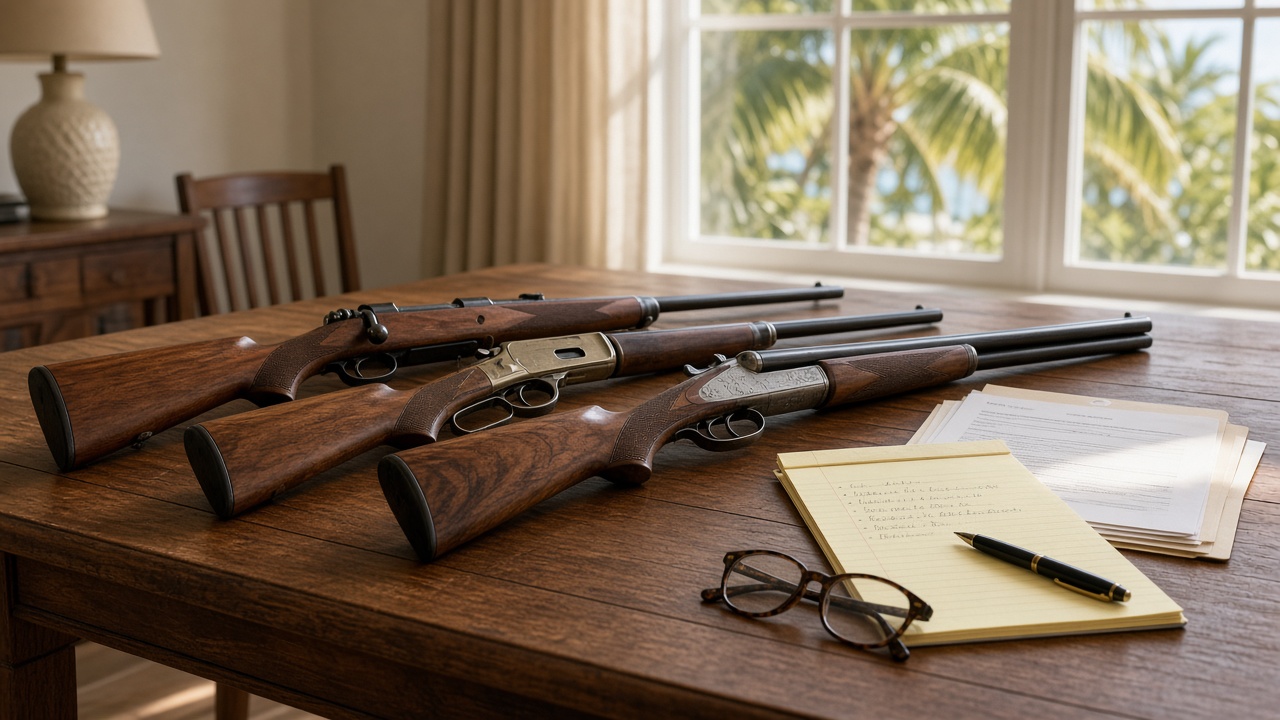
Inheriting firearms can be a sensitive and complex matter, especially in a state like Florida with its permissive gun laws. Whether you’re an executor managing an estate or a heir deciding what to do with a loved one’s collection, understanding the legal landscape is crucial to avoid pitfalls. This guide walks you through the essentials of handling and selling inherited guns in Florida, focusing on compliance, practical steps, and smart strategies to maximize value without the stress.
Understanding Florida’s Inheritance Laws for Firearms
Florida’s gun laws are relatively straightforward for inheritance, as the state does not require firearm registration, permits for possession, or background checks for transfers within families. When a gun owner passes away, firearms typically become part of the estate and can be transferred to heirs without additional state-level hurdles, provided federal rules are followed.
Key legal basics:
- No State Registration Required: Unlike some states, Florida doesn’t mandate registering guns, so there’s often no official record to update upon inheritance.
- Age Restrictions for Recipients: Heirs must be at least 18 for long guns (rifles and shotguns) and 21 for handguns to legally possess them.
- Prohibited Persons: You cannot transfer guns to anyone legally barred from owning them, such as felons, those with domestic violence convictions, or individuals adjudicated as mentally incompetent.
- NFA Items: If the inherited guns include National Firearms Act (NFA) regulated items like suppressors, short-barreled rifles, or machine guns, you’ll need to file ATF Form 5 for tax-free transfer to heirs.
- Interstate Transfers: If an heir lives out-of-state, the transfer must go through a Federal Firearms Licensee (FFL) dealer to comply with federal law.
Always consult the decedent’s will or trust to confirm ownership and distribution instructions. If no will exists, Florida’s intestacy laws will guide who inherits.
Steps for Executors Handling Firearm Estates
As the personal representative (PR) of the estate, you’re responsible for securing and distributing the guns legally.
Here’s a step-by-step approach:
- Inventory the Collection: Safely catalog all firearms, noting make, model, serial numbers, and condition. Store them securely to prevent theft or unauthorized access—consider a licensed storage facility if needed.
- Verify Legal Authority: Confirm your role via the will, trust, or court appointment. If guns are in a trust, check if they were properly transferred during the owner’s lifetime.
- Assess for Special Items: Identify any NFA-regulated firearms and prepare ATF paperwork. For standard guns, no special forms are typically needed for in-state heirs.
- Transfer to Heirs: For family members in Florida, a simple handover is legal, but document it with a bill of sale or transfer agreement for records. Use an FFL for added verification and peace of mind.
- Handle Sales if Necessary: If the estate requires liquidating assets (e.g., to pay debts), proceed to selling—more on options below.
Remember, mishandling can lead to federal violations, so involving a probate attorney familiar with firearms is advisable.
Options for Selling Inherited Guns in Florida
Once inherited, selling the guns follows standard Florida sales rules: no universal background checks for private transactions, but sellers must ensure buyer eligibility. Here are viable methods tailored for estate situations:
- Private Sales: Direct to individuals in Florida. No waiting periods apply, but use a bill of sale and meet at a safe location like an FFL shop to verify IDs. Ideal for small collections but risky for valuables due to potential undervaluation.
- FFL Dealers or Gun Shops: Sell to a licensed dealer for quick cash. They handle paperwork, but expect lower offers as they resell for profit.
- Online Platforms: List on sites requiring FFL shipping. This expands reach but involves fees and logistics—great for rare items.
- Auctions: For estates with multiple or high-value guns, auctions can yield top dollar through competitive bidding. Professional services manage appraisals, marketing, and compliant transfers, making it hassle-free for executors. Note that auctioneers dealing in firearms may need an FFL if they take possession.
- Consignment: Place guns with a shop or auction house on consignment, where they sell and take a commission.
For out-of-state buyers, all sales must route through FFLs to avoid interstate violations.
Gun Values Quick and FREE
Tell us what you have! Enter your firearm information and upload a few pictures.
Practical Tips for a Smooth Process
- Get an Appraisal: Have guns valued by a professional to inform decisions—essential for tax purposes if the estate is large.
- Tax Considerations: Inherited guns receive a step-up in basis, meaning capital gains tax only applies to appreciation post-inheritance. Sales may trigger IRS reporting if over $600, but Florida has no state income tax.
- Safety First: Always treat guns as loaded during handling. If you’re unfamiliar, enlist a gunsmith.
- Documentation: Keep records of all transfers or sales for probate closure and potential audits.
- Avoid Common Pitfalls: Don’t rush sales without verifying values, and steer clear of prohibited buyers to prevent legal issues.
Conclusion
Selling inherited guns in Florida offers flexibility, but prioritizing compliance ensures a respectful and efficient process. Whether keeping family heirlooms or liquidating for the estate, professional guidance—from attorneys to auction experts—can simplify things. If you’re dealing with an estate firearm collection, start with a free appraisal to explore your options and turn potential burdens into beneficial outcomes.